by SecureFirst | June 5, 2026 | Blog
Phishing tests can provide valuable insights into how employees respond to fake emails. But if the test focuses solely on who clicks the links, it can quickly lead to feelings of guilt, resistance, and unease in the workplace. That’s why success in phishing tests should be measured more broadly. The click-through rate...

by SecureFirst | June 5, 2026 | Blog
Spam and phishing are often confused because both typically end up in the inbox. But the difference is important. Spam is usually unsolicited bulk mail. Phishing is an attempt to trick the recipient into clicking, sharing information, opening files, or providing...

by SecureFirst | June 5, 2026 | Blog
Rising customer expectations, cyber insurance, GDPR, NIS2, and management requirements mean that awareness training is more than just an annual course. You need to be able to train your employees, measure their progress, and document your efforts. But the market can be difficult to navigate. Some solutions offer...
by SecureFirst | June 4, 2026 | Blog
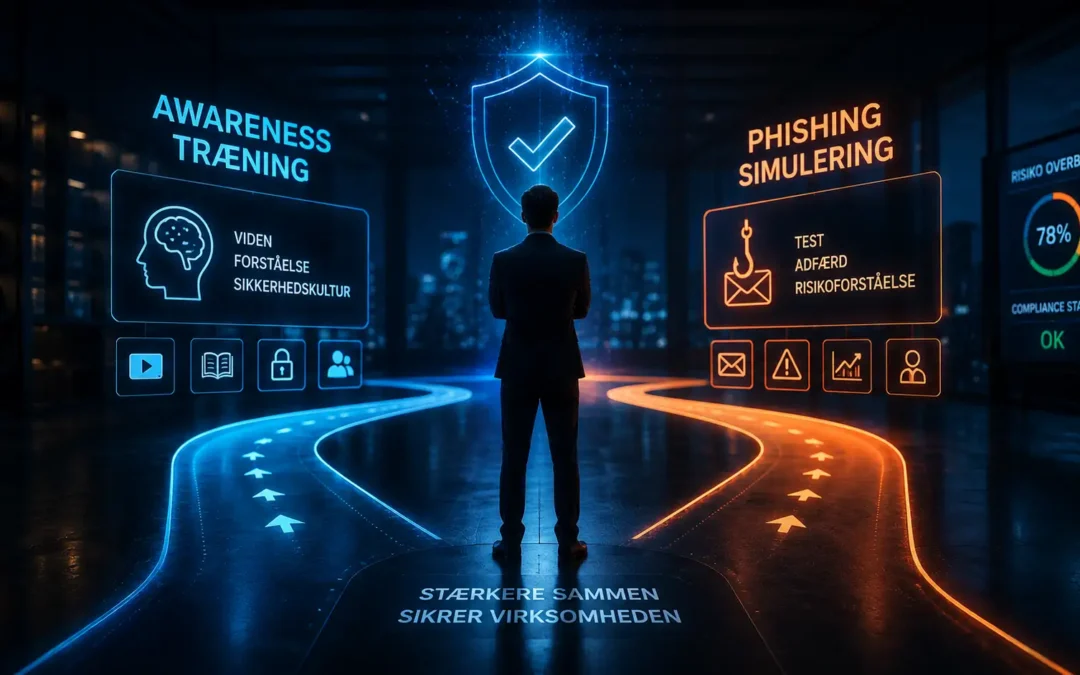
Human error is one of the most commonly exploited vulnerabilities in modern cybersecurity. To protect their organizations from attacks while complying with stricter legal requirements, many management teams are investing in employee training. This often raises a crucial question: What is...
by SecureFirst | May 8, 2026 | Blog
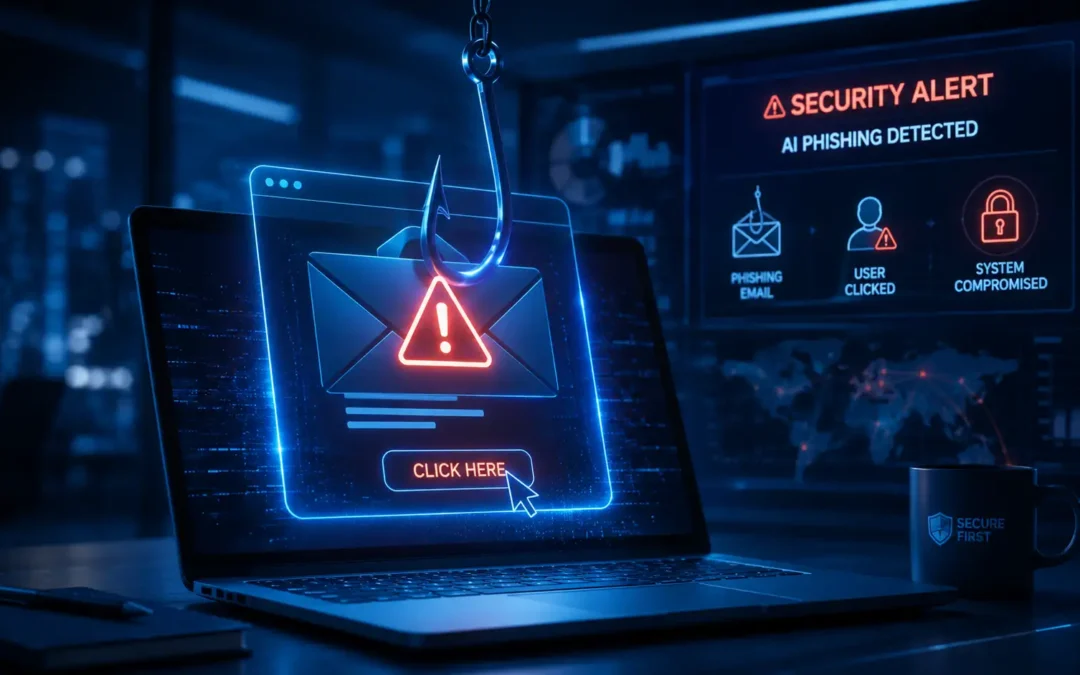
AI phishing: When a single wrong click can trigger a serious security breach AI phishing makes it harder for employees to spot fake emails, messages, and login pages. For Danish companies, this means that cybersecurity isn’t just about filters and firewalls,...

by SecureFirst | Apr 22, 2026 | Blog
ITWatch has once again written about SecureFirst as a follow-up to its article from last year. This comes as several of the company’s investors have now become more actively involved in day-to-day operations. SecureFirst is thus strengthening its organization following a period of rapid growth and...