by SecureFirst | Sep 1, 2026 | Blog
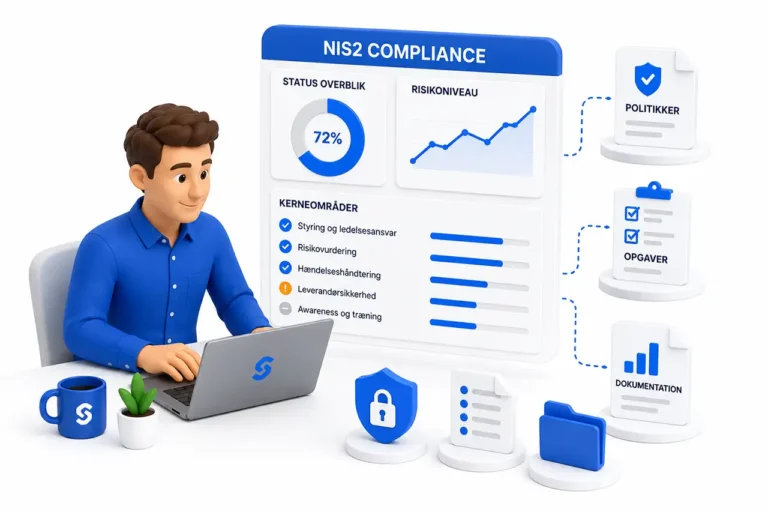
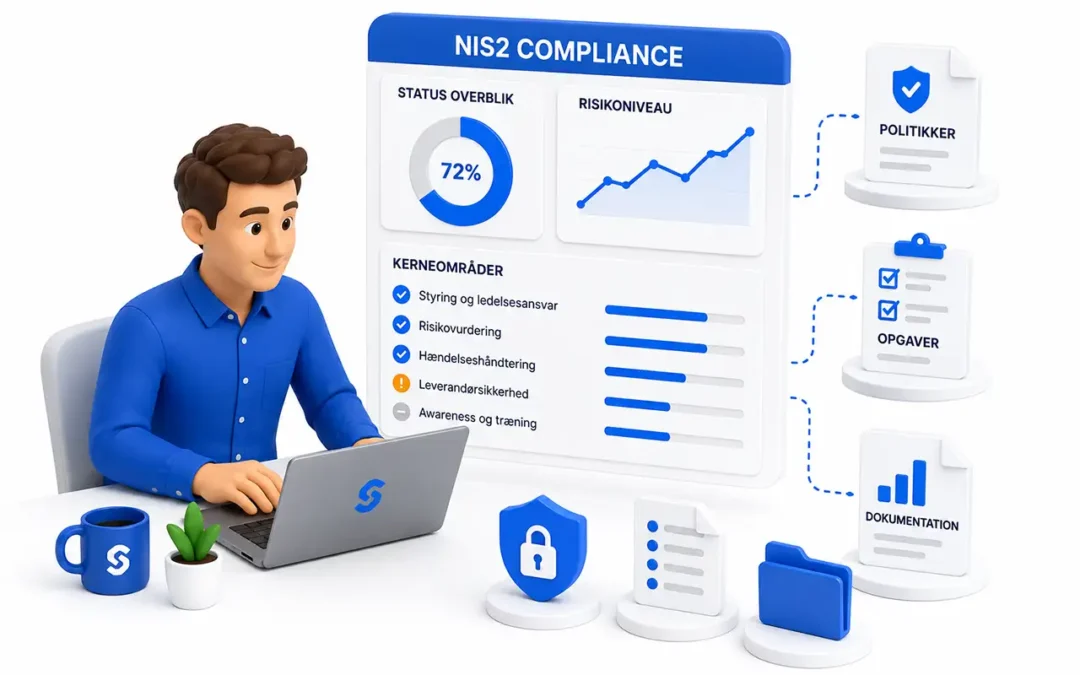
NIS 2 imposes significantly stricter requirements on cybersecurity, risk management, and management accountability in Danish companies and organizations. For affected companies, NIS 2 is not only about technical security solutions, but also about employees, suppliers, emergency preparedness,...

by SecureFirst | June 19, 2026 | Blog
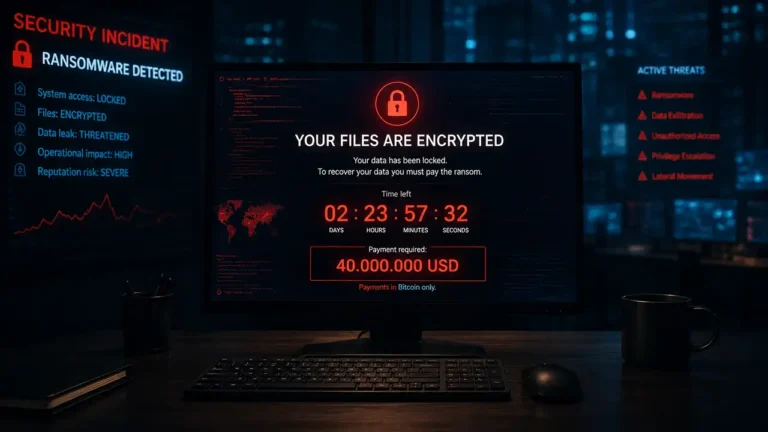
What is ransomware? Ransomware is a type of malware that allows cybercriminals to block access to a company’s systems or data in order to extort money from the company. When an attack is carried out, critical files are typically encrypted,...
by SecureFirst | June 8, 2026 | Blog
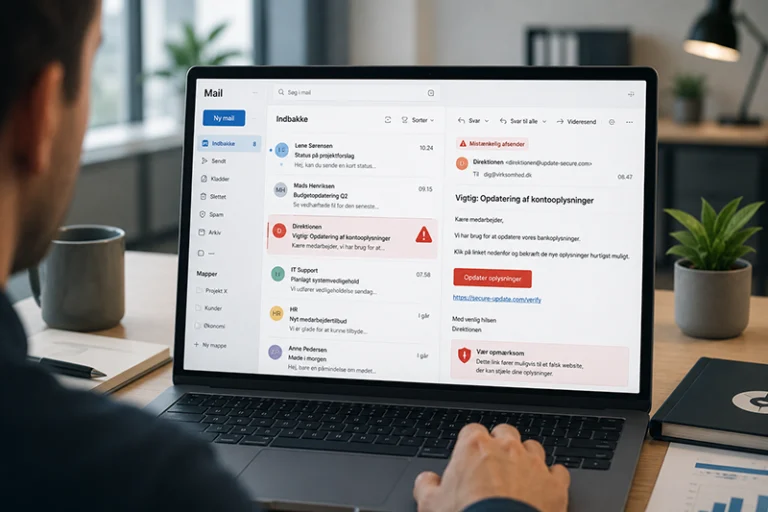
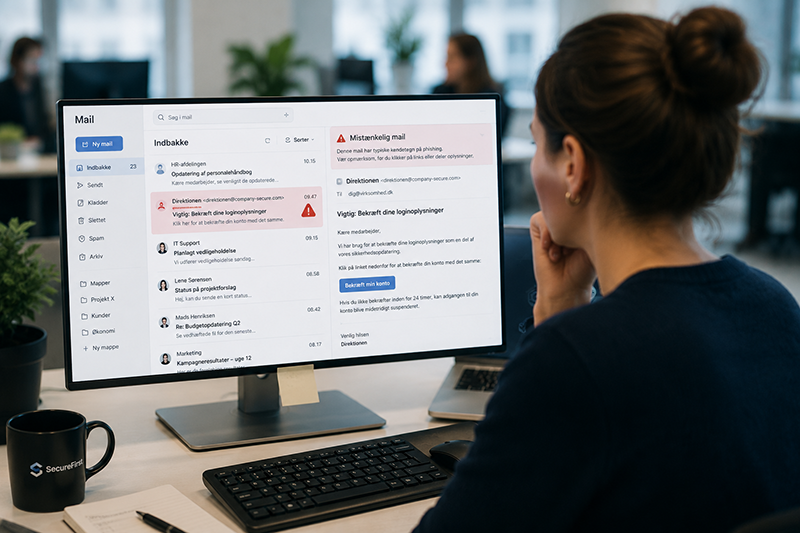
Phishing remains one of the most common ways for cybercriminals to gain access to companies. Even though spam filters, firewalls, and security systems are improving, fake emails can still end up in employees’ inboxes. That’s why phishing training isn’t just about technique. It’s about providing...
by SecureFirst | June 8, 2026 | Blog
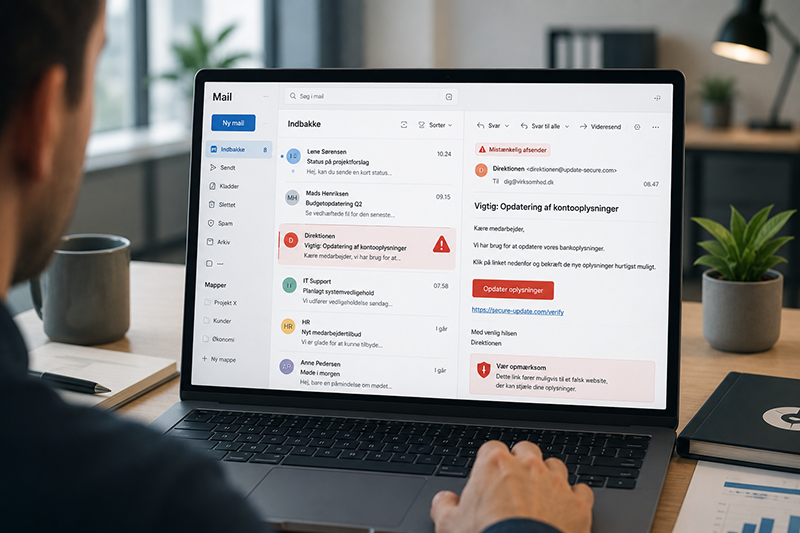
Phishing emails are one of the most common forms of digital fraud targeting businesses. They often look like ordinary emails from a bank, Microsoft 365, a supplier, a shipping company, HR, or a colleague. But the goal is to trick employees into clicking on a...

by SecureFirst | June 8, 2026 | Blog
Phishing often targets a broad audience. Spear phishing is more targeted and attempts to trick a specific person, department, or company with an email that appears personal and credible. The email may look like a message from an executive, a supplier, a colleague, a customer, or an internal department...

by SecureFirst | June 8, 2026 | Blog
Phishing and digital fraud don’t just happen via email. Scammers also use text messages, phone calls, and messaging apps to trick employees into clicking on links, sharing information, authorizing payments, or logging into fake websites. When phishing occurs via text message, it’s called...