












Do you truly know your destination – and your current position?
It sounds straightforward. Yet, this is precisely the question a GAP analysis helps you answer. For many SMEs, the issue isn't a lack of ideas; quite the contrary. It's the absence of clarity, direction, and an honest assessment of actual shortcomings.
A GAP analysis is more than just an Excel exercise. It's a tool that can prevent you from expending time and resources ineffectually – and guide you to focus efforts where they genuinely yield results.
What is a GAP Analysis – in plain terms?
A GAP analysis compares two states: where you are now, and where you aspire to be. The “GAP” is – as the name suggests – the chasm between these two.
Imagine a map. Your current location is marked with a “you are here” icon. And your destination? That's where your strategy, business, or IT security should be. The GAP analysis is about charting the route between the two – and identifying the holes, bumps, and missing bridges along the way.
Why should SMEs dedicate time to this?
The concise answer? Without it, you risk unproductive cycles.
Many small and medium-sized enterprises (SMEs) operate at a rapid pace, often with constrained resources and diverse responsibilities. This can lead to fragmented development efforts without a clear understanding of whether progress is aligned with strategic objectives.
A GAP analysis provides:
- Clarity on objectives versus current state
- Visibility into resource deficiencies
- A structured basis for decision-making
- A tangible action plan
Candidly: who hasn't experienced the sensation of intense effort without a clear indication of tangible progress?
A recognizable example
Consider a manufacturing enterprise. You aim for ISO 27001 certification, driven by customer demands for documented information security. While technical controls such as antivirus, firewalls, and strong passwords are in place, there is a deficit in formal procedures, awareness training, and comprehensive documentation.
In this context, a GAP analysis would benchmark the requirements of the ISO standard against your current operational practices. This would yield a specific inventory of deficiencies and a comprehensive roadmap for remediation.
How to Conduct a GAP Analysis
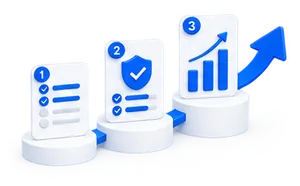
While self-execution is an option, it is not mandatory. The fundamental steps are as follows:
- Define the Objective. What outcome do you seek? This could encompass adherence to a new standard, achieving a specific security posture, ensuring regulatory compliance, or meeting strategic business goals.
- Map the Current State. Assess your present position with candor and specificity.
- Identify the Gap. Determine the missing elements and areas of underperformance.
- Prioritize Initiatives. Ascertain the most critical and feasible actions.
- Formulate a Plan. Leverage the analysis to develop a concrete roadmap, ensuring it transcends a mere theoretical exercise.
While various tools, templates, and models exist, the paramount elements are candor and comprehensive oversight. This can prove challenging when directly immersed in operational intricacies.
When is it advantageous?
The concise answer? When you:
- Are faced with significant strategic decisions
- Possess aspirations for growth, digital transformation, or regulatory compliance
- Seek to substantiate your organizational maturity to clients or regulatory bodies
- Perceive a significant disconnect between strategic intent and daily operations
But perhaps most importantly: When you want to know where to focus your efforts, rather than guessing.
Common questions regarding GAP analysis
“Isn't this just for large enterprises?”
No, quite the contrary. Large enterprises often have established processes and governance. It is precisely SMEs that gain the most value from this comprehensive overview.
“Do expensive consultants need to be engaged for this?”
No, but an external perspective is beneficial. We conduct numerous GAP analyses in collaboration with companies, where we provide structure and analysis – always in close partnership.
“What is the cost?”
The cost is contingent upon scope and complexity. However, operating without a clear understanding incurs significantly higher costs than establishing a robust foundation.
Ready to take the next step?
If you have reached this point, there is likely a reason. Perhaps you are considering enhancing your IT security posture. Or perhaps you require documentation for your clients' compliance requirements. Regardless, we are prepared to assist you in gaining a comprehensive overview.