











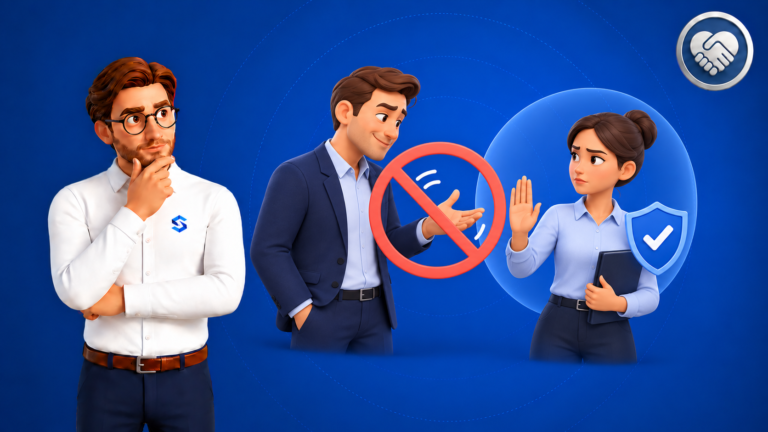
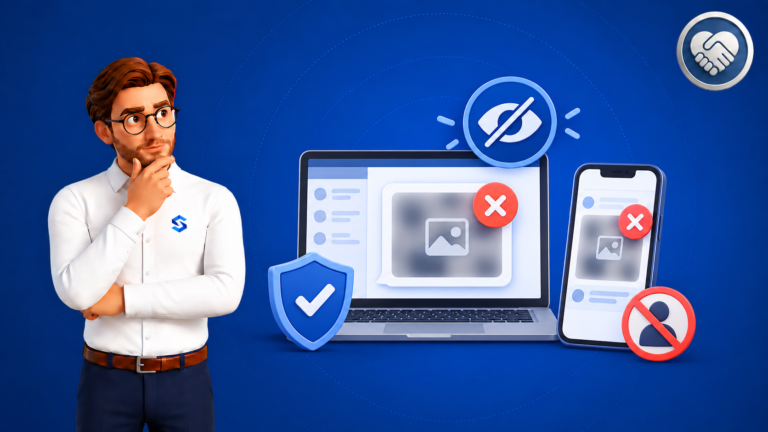
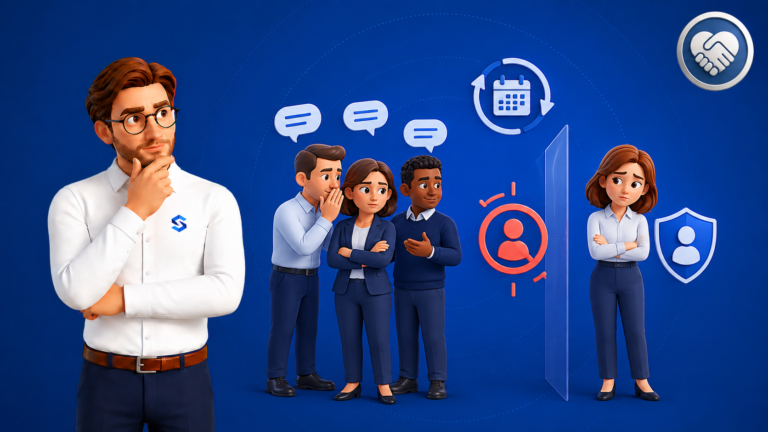
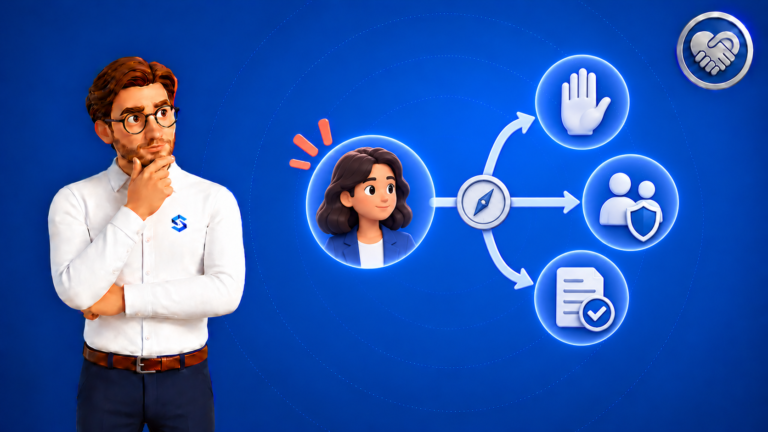

A new type of zero-click vulnerability in AI extensions demonstrates just how quickly attacks can occur without user interaction. For businesses, this means a significantly increased risk of data breaches and compromised systems. This development underscores the need for robust IT security, awareness, and control over third-party integrations.
AI extensions create new vulnerabilities
AI tools and browser extensions are increasingly being integrated into work processes. They boost productivity, but also introduce new security risks.
A zero-click vulnerability is particularly critical because it can be exploited without the user taking any active action. This means that an attacker could potentially:
- Execute code automatically
- Access sensitive data
- Manipulate AI output or system behavior
For Danish companies, this is a game-changer. Traditional security models based on human error are no longer sufficient.
What is a zero-click vulnerability—and why is it dangerous?
A zero-click vulnerability is a flaw in software that can be exploited without user interaction.
Typical characteristics:
- No clicks or downloads required
- Can be triggered via, for example, emails, websites, or API calls
- Difficult to detect using traditional security tools
Why this is critical:
- The user cannot “do the right thing” and avoid the attack
- Attacks can occur in the background without any visible signs
- Detection and response will become much more difficult
When this type of vulnerability occurs in AI extensions, the consequences are even more severe because these tools often have access to:
- Browser data
- Documents
- internal systems
- API keys
AI + browser = a high-risk combination
Many AI extensions run with high privileges in the browser. This makes them effective—but also dangerous.
Risks associated with AI extensions:
- Access to session cookies and login credentials
- Integration with cloud services
- Ability to read and edit content
If an attacker gains control of such an extension or exploits a vulnerability, this could lead to:
- Account transfers
- Data theft
- The spread of malware within the organization
What does this mean for Danish companies?
This type of vulnerability makes one thing clear:
IT security is no longer just about user behavior—it’s also about the inherent risks of the technology itself.
Companies should ask themselves the following questions:
- Do we have a complete overview of all browser extensions in the organization?
- Are AI tools approved and verified?
- Do employees understand the risks associated with AI and plugins?
Here's how to reduce the risk
To protect yourselves against zero-click vulnerabilities in AI extensions, you should take a structured approach that combines both technical measures and human oversight.
1. Limit the use of hair extensions
- Allow only approved plugins
- Implement centralized management via IT
2. Build strong brand awareness
Employees must understand:
- The Risks of AI Tools
- How data can be exposed
- Why “free tools” can be dangerous
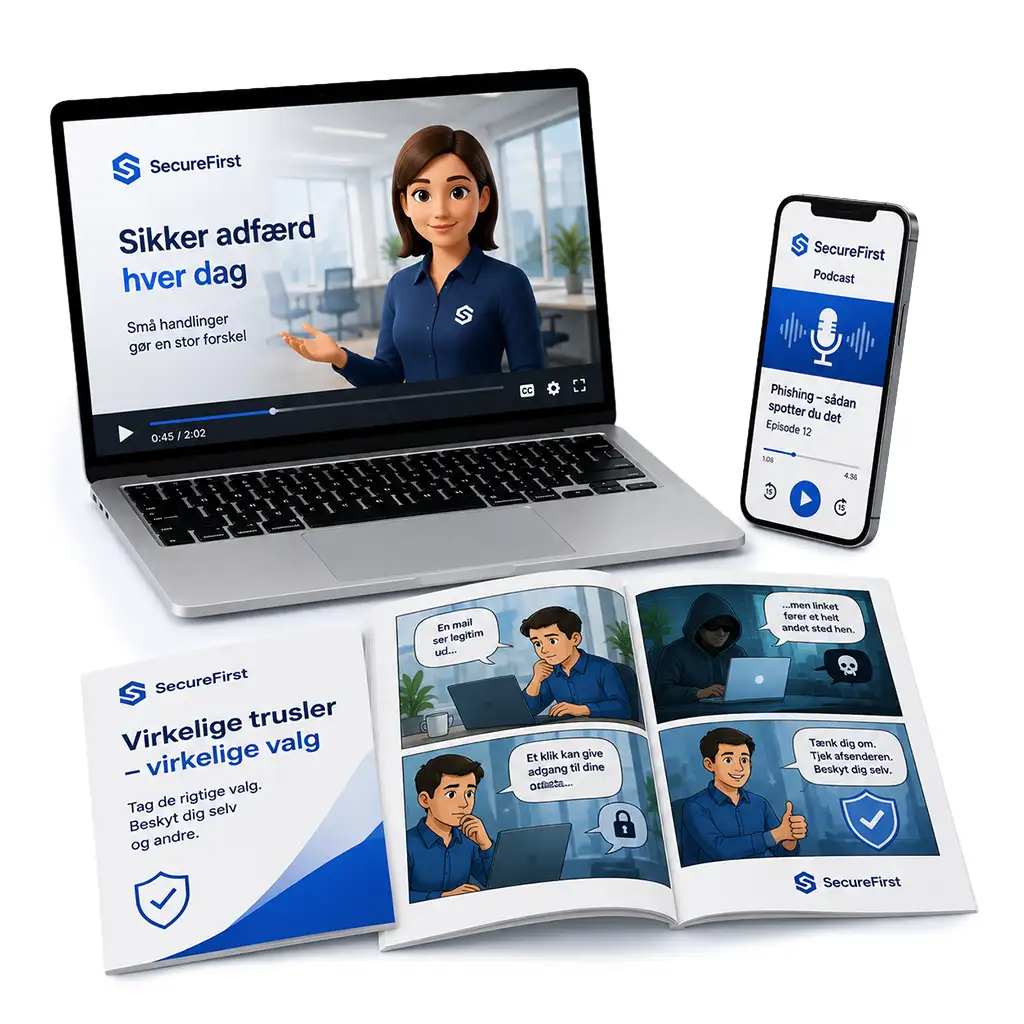
Strengthen your safety culture with awareness training
3. Test the organization's resilience
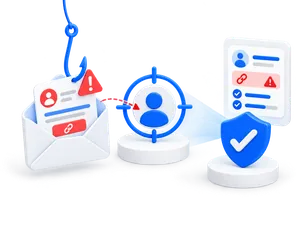
Although zero-click attacks do not require a click, phishing remains a key entry point.
Empower your employees with realistic phishing simulations:
4. Work on compliance and frameworks
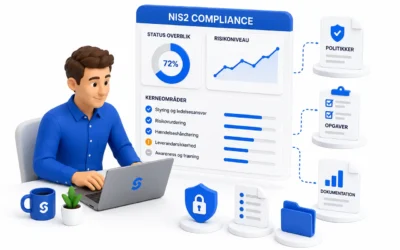
Standards such as NIS2 and CIS18 help bring structure to security efforts.
AI security requires a new approach
Zero-click vulnerabilities in AI extensions send a clear signal:
The threat landscape is evolving faster than many organizations’ security strategies.
This requires:
- Management of technologies and integrations
- Ongoing risk assessment
- A strong safety culture among employees
Zero-click vulnerabilities in AI extensions pose a new and serious threat to corporate IT security. When attacks can occur without user interaction, traditional defenses become inadequate.
That is why it is crucial for companies to take a proactive approach to technology, awareness, and compliance. A strong response to these types of threats is not just good security—it’s good business.