















TL;DR: In cybersecurity, the People, Process, and Technology framework is crucial for a robust defense. This article explores why you need all three components working in harmony.
Spoiler alert: ignoring even one of these pillars can undermine all your otherwise diligent efforts!
So, how do People, Process, and Technology function?
When it comes to cybersecurity, the idea of a one-size-fits-all solution is as mythical as unicorns. While advanced technology is available, what truly safeguards your data from malicious actors is a harmonious blend of people, processes, and technology. At SecureFirst, we have learned this firsthand. Let's delve into why you cannot afford to overlook any of these pillars.
Personnel (People): Your Frontline Defenders
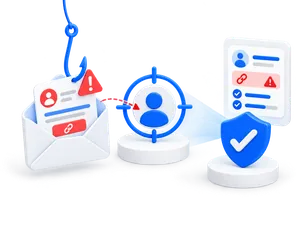
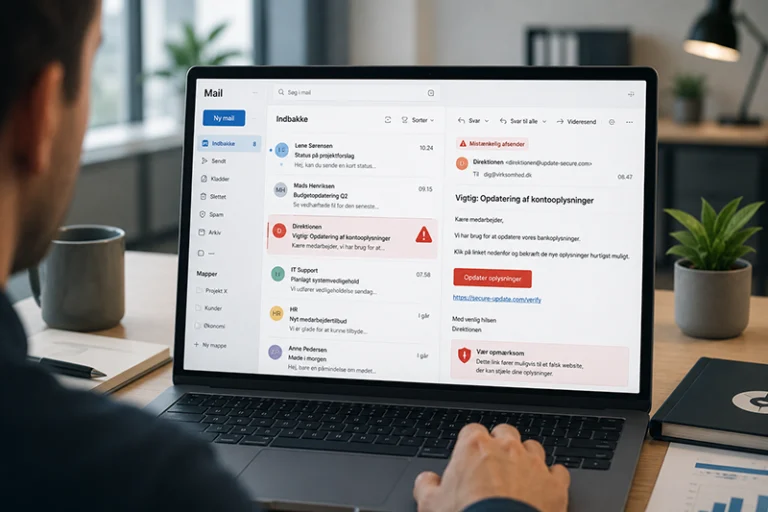
You may possess the most sophisticated firewall globally, but if your team falls victim to various phishing emails, your defenses are compromised. Cybersecurity is primarily a human challenge. Here's why:
- Awareness and Training: A well-trained employee constitutes your primary line of defense. Regular training and updates on the latest threats can make a significant difference. It is not merely about recognizing dangers but also understanding how to respond when something appears suspicious.
- Culture and Behavior: Fostering a culture where security is taken seriously is paramount. When employees take ownership of security, they are more inclined to adhere to protocols and remain vigilant against potential risks.
- Team Collaboration: Cybersecurity is not solely the responsibility of the IT department. The entire organization, from HR to sales, must be involved and collaborate to ensure that security protocols are followed and respected.
Processes: Your Strategic Playbooks
Even the most experienced personnel and advanced technology can falter without well-defined processes. Here's why structured and proven processes are essential:
- Standard Operating Procedures (SOPs): SOPs ensure that everyone knows precisely what actions to take in the event of a security incident. This establishes clarity and mitigates panic.
- Incident Response Plans: When an unfortunate event occurs, having a plan in place is crucial. A robust incident response plan can differentiate between rapid containment and a catastrophic data breach.
- Regular Audits and Tests: Processes must not only be established but also regularly audited and tested. This ensures they remain current and effective against emerging threats.
Are you ready to gain insight into how well-equipped your organization is to prevent a cyberattack? Answer 11 questions in our online IT security assessment and receive immediate results!
Technology: Your Digital Fortress
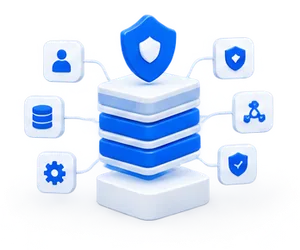
Technology is, of course, a significant component of cybersecurity, but it represents only one part of the equation. Here’s why the right technology is critical, yet insufficient on its own:
- Advanced Tools and Software: Modern security tools, such as AI-driven threat detection systems and advanced firewalls, can identify and neutralize threats more rapidly than any human. However, they require correct implementation and ongoing maintenance.
- Integration and Automation: Effective technology also implies that your security tools operate cohesively and automate repetitive tasks. This minimizes the risk of human error and enhances response times.
- Continuous Updates: Cybersecurity technology is in a constant state of evolution. Regular updates and upgrades are essential to maintain protection against the latest threats.
Conclusion: The Interplay of People, Processes, and Technology
To establish a formidable defense against cyber threats, it is imperative that people, processes, and technology operate in perfect synergy. Neglecting any of these pillars risks creating a vulnerability that attackers can exploit.
At SecureFirst, we are committed to enhancing our clients' security through this integrated approach. We hope this article has provided valuable insight into the importance of the People, Process, and Technology framework, and why it is crucial for any organization seeking to effectively protect itself against cyber threats.
The most effective line of defense is a trained, prepared, and well-equipped organization.
Let us unite against the threats!